Pottery Making History at Wilmington, NC
Wilmington, North Carolina is a city with a Click for more info rich history and culture. Among its various historical aspects, pottery making holds a special place in the heart of this coastal community. The history of pottery making in Wilmington reflects not only the artistry and craftsmanship of local artisans but also tells a broader story of cultural exchange, economic development, and evolving traditions.
The origins of pottery-making in Wilmington can be traced to the indigenous peoples that inhabited the area long before European settlers arrived. These native tribes, including the Cape Fear Indians, Home page were adept at crafting earthenware from the abundant natural clay found along riverbanks. Their technique was simple but effective: coiling the clay into shapes, and then baking it over an open flame to harden. The resulting pots were primarily utilitarian--used for cooking, storage, and transportation--but also carried distinct decorative elements that reflected their makers' artistic sensibilities.
9 Signs You're A Ceramics Classes Expert
With the arrival of European colonists in the 18th century came new methods and styles of pottery production. English and German immigrants brought with them advanced wheel-throwing techniques and glazing practices that allowed for more durable and waterproof vessels. This was especially important for a port town growing like Wilmington, where goods had to be securely stored for trade by ship.
Wilmington's pottery industry flourished throughout the 19th century as it became a center for commerce and shipping. Local potters expanded their repertoire to include more ornate pieces, such as face-jugs decorated with grotesque features. These are believed to be based on African rituals brought by slaves. These unique creations became part of the folk tradition in North Carolina's pottery-making history.
Industrialization began to transform the landscape of manufacturing in America, including Wilmington's artisanal craft. Due to factories that could produce large quantities of ceramics, the demand for handcrafted ceramics from small potters decreased.
The Worst Advice You Could Ever Get About Ceramics Courses
However despite these challenges traditional craft persisted thanks largely to efforts preserve heritage preserve skills passed down generations family-run potteries kept alive old ways creating distinctive wares celebrated local identity pride More recently renaissance has emerged among artists enthusiasts seeking reconnect past through medium clay They've revived ancient techniques while infusing contemporary design aesthetics into their work creating something entirely new yet deeply rooted tradition
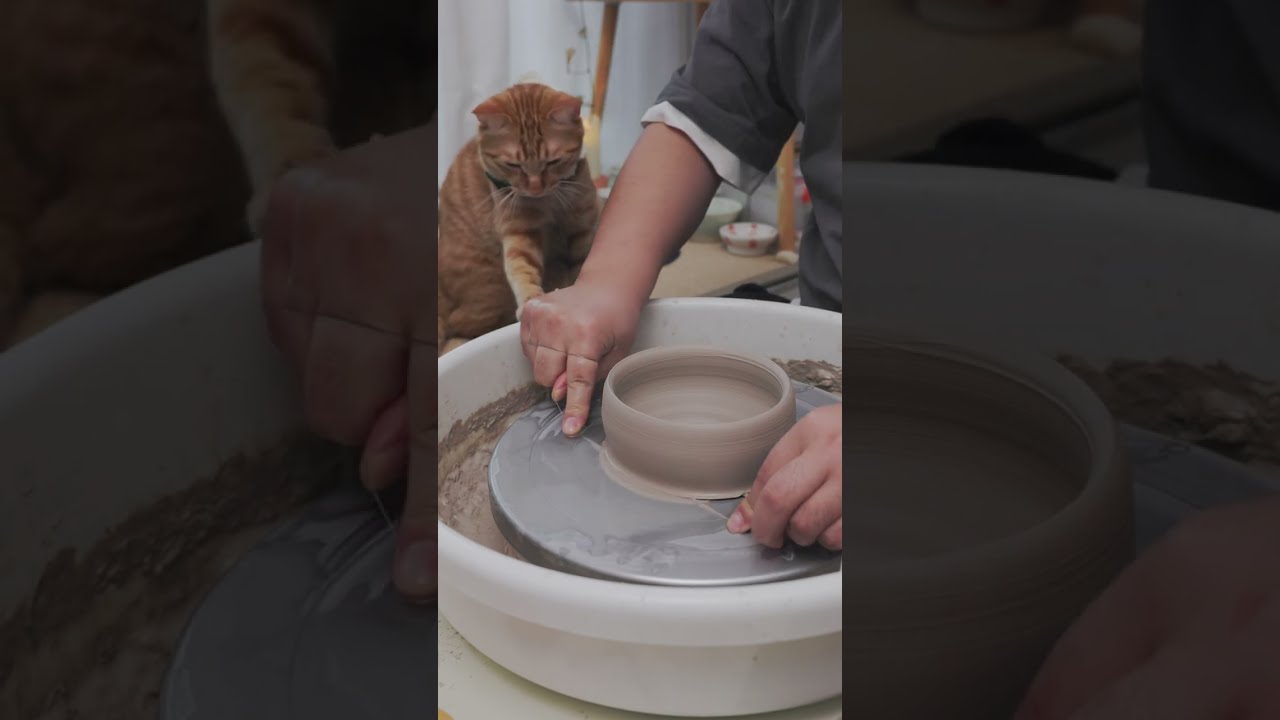
Visit Wilmington today and you'll discover vibrant community potters who celebrate confluence of past and present. From studios nestled in historic downtown galleries to scenic riverfront, the legacy is tangible. Whether thrown or sculpted on wheel each piece carries its weight centuries-old craft. Every curve glaze speaks lovingly conserved art form continues to thrive against odds.
In conclusion journey through time reveals how integral role played shaping identity It stands testament resilience adaptability human spirit As continue evolve so will ways we create celebrate very essence what makes us human - our ability make beautiful things our hands hearts